






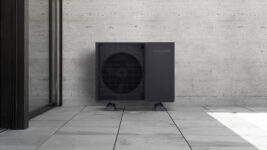











Harness the ambient temperature of the earth

Free yourself from the constraints of oil and gas
Capturing heat from the ground, and transferring it to your home or workspace to heat your space and hot water, Ground Source Heat Pumps work all year round, and provide a constant, reliable and renewable source of energy that is up to 300% more efficient than traditional heating systems.

Why choose a Ground Source Heat Pump?
1. Support with installation costs
Potential access to a Government grant to contribute to the installation costs
2. On-going cost benefits
Reduced fuel bills, especially if you are replacing oil, coal, LPG or direct electric – saving you money and emissions
3. Take control of your energy
Not reliant on fuel deliveries – flexibility in your schedule
4. Seamless Integration
Nothing visible from the outside of the property – hidden technology

Experts in alternative energy since 2009

Ask us anything
We’re sure you’ve got questions when it comes to GSHPs, so here’s a list of some of the most frequently asked.
If you can’t find the answer to your query here, get in touch and the friendly team will come back to you the next working day, if not earlier.
Ground Source Heat Pump FAQsGet the answers you need
This depends on which heating system you have. If you are eligible, we apply for the voucher and manage it from start to finish.
Historically, GSHPs were more efficient due to the stable energy source that the ground provided, being unaffected by low temperatures and poor weather. However, more recently, improvements in ASHP technology have vastly narrowed the gap, so although GSHPs are currently slightly more efficient, the difference is negligible, especially for systems which are designed at low flow temperatures.
An ASHP is approximately the size of a domestic refrigerator. They are located on the outside of buildings connected through the wall to an internal unit. They generally come in two sizes (h)900 x (w)1300 x (d)320mm or (h)1400 x (w)1300 x (d)320mm. A GSHP requires a large area outside for the horizontal array to be laid; approximately 1m deep. However, the GSHP unit is the size of a large fridge so it can be installed in the house or in an outbuilding.
You should get an engineer to service your heat pump according to the manufacturer’s advice, usually once a year. This is like a gas or oil boiler. UK Alternative Energy offer this service to all our customers.
There are several ways to install a GSHP. Firstly, the heat pump itself will need to be positioned inside or nearby to the building that it will be heating. The GSHP is about the size of a fridge freezer and has a multitude of components and pipes that need to be connected to it. The ideal solution would be to either utilise a small existing room or large cupboard or create a new room or shed that can accommodate the equipment. Roughly speaking, the room should be a minimum of 1500mm wide, by 1500mm long, and have at least 2000mm of height. However, that said, every installation is different, and there will be several options to consider which can be identified during a technical survey of your home.
In short, yes! The cost of a GSHP system is usually at least double the cost of an ASHP system, meaning they are far less popular than ASHPs.
Heat pumps come with a programmer and thermostat to control your heating, plus a lot of other options for controlling the heat pump itself. Your installer should set everything up for you, after asking you about your heating preferences. Some heat pump settings are best left alone unless you know what you’re doing. But you can still adjust the programmer and thermostat to meet your heating and hot water needs. They do the same job as the controls for a gas boiler. But they probably look and feel different to what you’re used to, so make sure the installer explains how they work. Provided the installer has set them up right, you shouldn’t need to make any changes to your heat pump’s controls. Many of the controls are there to make sure the system can adjust itself to meet changing conditions, so you don’t have to adjust yourself. If you’re not sure, ask your installer to check them and discuss any issues you may be having with how the system is running.
The Ground Loops (also called Ground Collectors or Brine Loops), need to be designed very carefully by a competent person. Considerations include available space around the property, possible pipe routes and disruption that may be caused during installation, ground composition, nearby or underground water courses, access restrictions and so on!
Ground Loops can be installed horizontally at around 1000mm depth below the surface of the ground if there is adequate space or can be drilled vertically to a depth of 80m – 200m. As a rough guide, ground loops need to be 40m – 80m long per kW of heat required for the property. GSHPs can also be used to extract heat from large or moving bodies of water. Again, there are several considerations above and beyond those mentioned here and can be very costly.
Heat pumps offer several benefits, including high efficiency, reduced carbon footprint, and potential for cost savings. Additionally, they can provide consistent and comfortable heating.
In Ground Source Heat Pumps, heat is transferred through the ground via the movement of water. Water has a greater capacity to hold heat compared to air meaning this heat pump system is typically more energy efficient than ASHPs. The ground temperature also contributes to energy efficiency. As the ground temperature is fairly fixed at 10-13°C, GSHP’s are unaffected by seasonal changes. Considering they’re used the most during the winter months, it means GSHP are better than ASHP in terms of efficiency. ASHP continue to operate at temperatures around -15°C but they will work harder to produce heat, relying on electricity more. This means it can be slightly less energy efficient.
Often abbreviated to GSHP, a Ground Source Heat Pump harvests the thermal energy which is present in the ground, using a series of large pipes containing a mix of water and antifreeze (often referred to as brine) to absorb and carry that energy back into the GSHP unit, where it is transferred into usable heat for the heating and hot water requirements of the property.
To determine the size of heat pump you will need, our adviser will carry out a heat loss calculation on your home based on the information they collect during their survey. This calculation will work out the amount of space within your home that needs heating as well as calculating the amount of heat that is being lost from your home. The outcome of this calculation will determine the heat output required from your heat source.
The main difference between an Air Source Heat Pump (ASHP) and Ground Source Heat Pump (GSHP) is where they draw heat from. ASHP’s capture solar energy that has warmed the air. They basically work in a similar way to a refrigerator, but on a larger scale. A refrigerator moves heat from its inside to its radiator at the back. In the same way, an ASHP moves heat from the air to a hot water supply. GSHP’s absorb heat from the ground at low temperatures into fluid inside a ground loop buried underground. This temperature of the fluid is then increased to heat water for the heating and hot water circuits in the house.
Despite the similarities in the way that they work, these two types of heat pump have very different setups and requirements. There is no clear winner here and both offer energy saving benefits that will help you cut energy costs and heat your home efficiently and effectively. Whether it’s due to budget or space restrictions, the answer for some will be simple, but others will need to take more time to carefully consider the needs of their household.
Why Choose UK Alternative Energy?

Welcome the GSHP Team






How It Works
With an overall circular system, much like Air Source heat Pumps, Ground Source Heat Pumps – as the name suggests – capture heat form the ground rather than the air.
Through a series of loops buried underground, GSHP’s absorb heat from the earth, which remains at a consistent temperature year-round, into a fluid inside a pipe (a ground loop). The fluid then passes through a compressor that raises it to a higher temperature (between 40-50°C), which can then be transferred to the water in your heating and hot water system via a heat exchanger.
In summer, the process can be reversed to cool your home.
GSHP Expertise to explore


The Rural England Prosperity Fund (REPF) is a ‘top up’ fund allocated to Rural Districts in England as an addition to the UK…


Explore simple, efficient solutions to heat your home and business and find which is right for you.

Find a better way to heat your space and save money on your energy bills. Air Source Heat Pumps extract energy stored as heat…

If you’ve heard of Air Source Heat Pumps and Ground Source Heat Pumps, then you’ll probably know what they both do. But do yo…
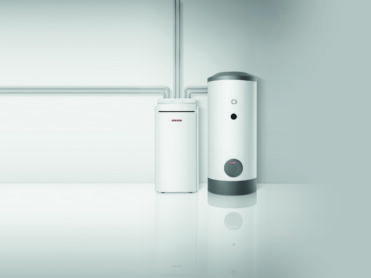
A Ground Source Heat Pump (GSHP) is another example of a renewable energy system you can have in your home. But how do they w…
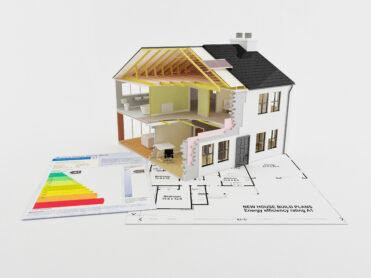
Even when you’re working within the industry, staying on top of the latest innovations and understanding exactly how alternat…
Air Source Heat Pumps (ASHPs) continue to grow in popularity as a viable, green alternative to boilers that can provide both…

When you invest in greener, alternative energy for your home or business, we know you’re going to want to make the most out o…

With the widespread popularity of EVs only gaining momentum, having the option and ability to charge your electric vehicles a…

Building a greener future by investing in renewable energy solutions is high on the agenda for many business owners. Find out…


