

















Start your renewable journey with Solar PV


Is Solar PV right for you?

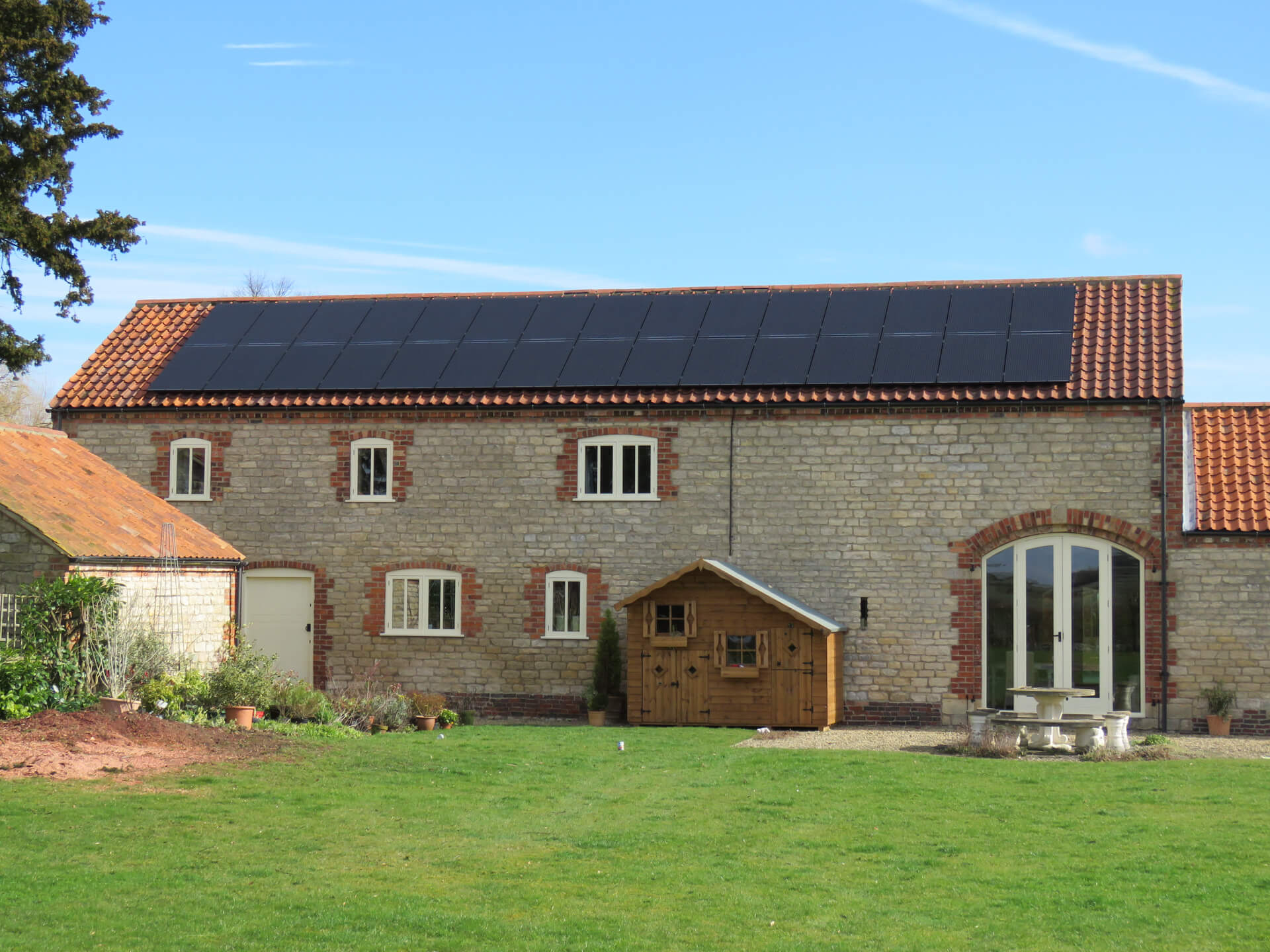
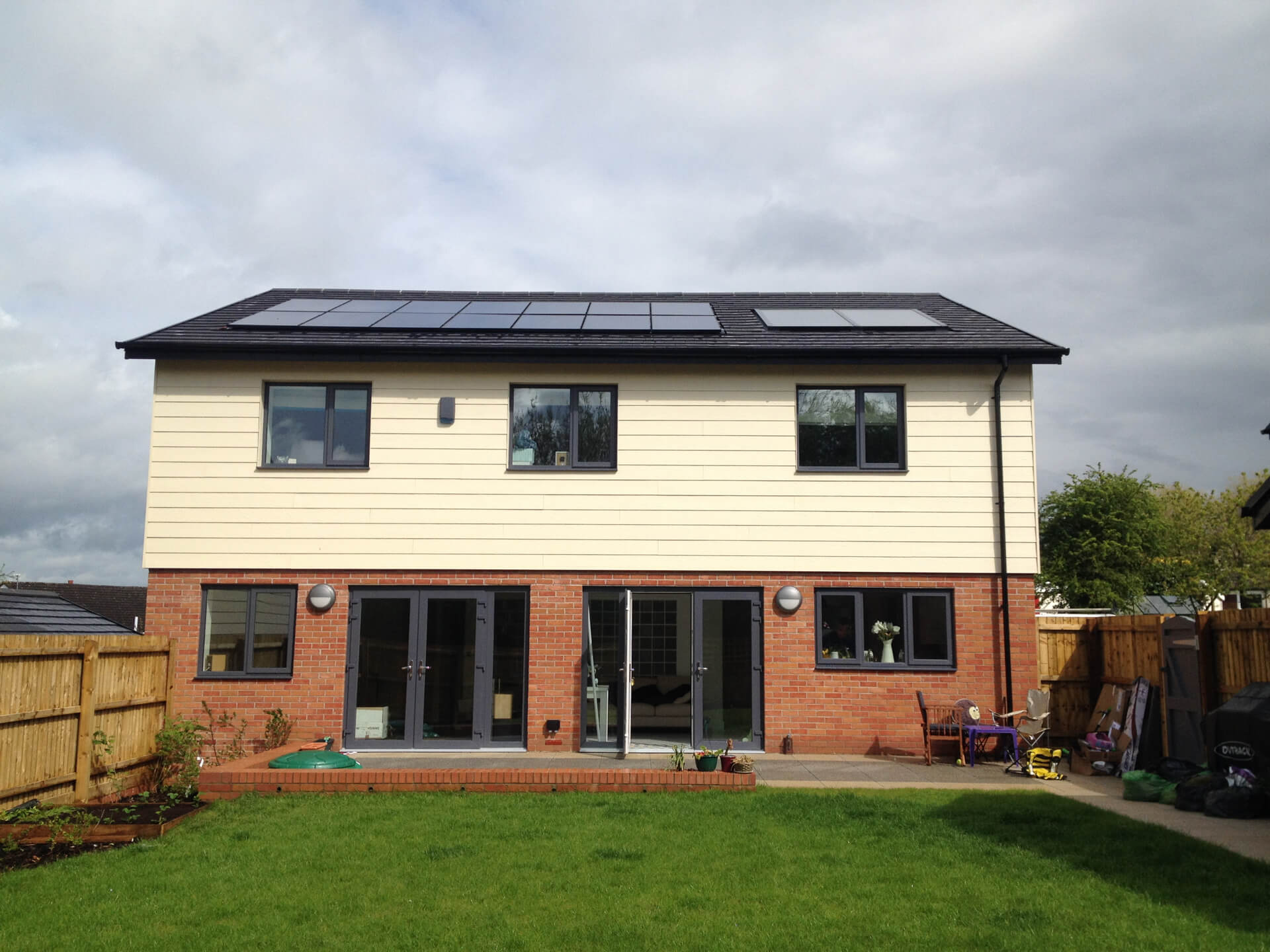

UK Alternative Energy
Reap the Rewards with Solar PV
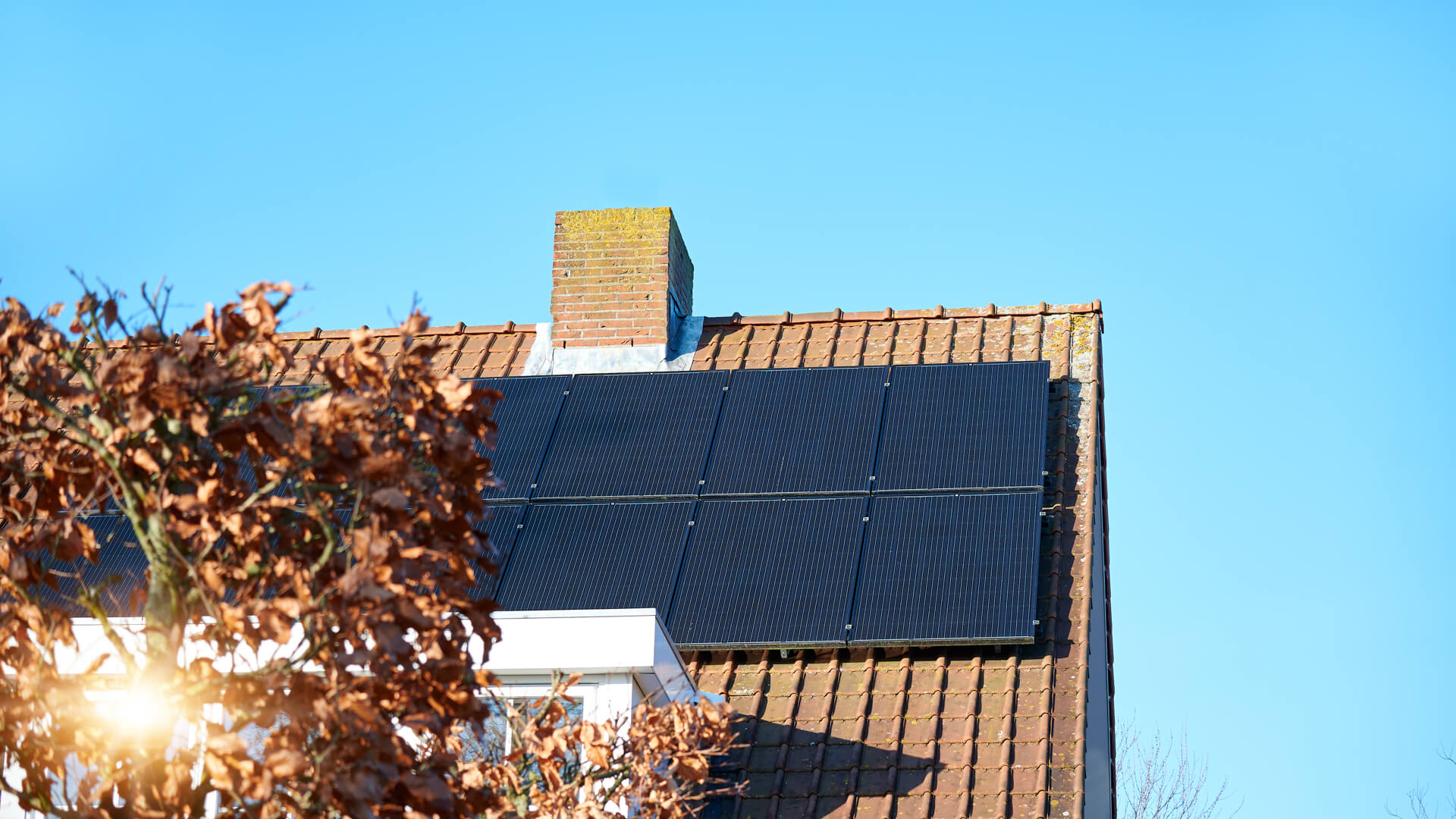
Solar PV offers a simple, accessible and effective long-term solution that reduces energy costs, enhances property value, and supports the drive to becoming a more sustainable nation, whether you’re considering Solar PV for your home or a business.
1. Benefit your bills
There are a whole host of monetary benefits available to you as an owner of a Solar PV system.
- Lower energy bills
Save up to 50% on your electricity bills when compared with non-renewable supplies. - Smart Export Guarantee (SEG) scheme
Benefit from enrolling in this government scheme and get paid for the electricity you export back to the grid. - Further government incentives
Subsidies and tax credits can further offset installation costs. - Increased property value
Appeal to buyers by making your home more energy efficient.

2. Benefit the environment
Solar panels produce clean energy, reducing household carbon footprints and contributing to a greener planet.
- Low maintenance
Once installed, Solar PV systems require minimal upkeep and have a lifespan of 25–30 years. - Battery Back-up
Already have Solar PV? Find out more about battery storage with the Tesla Powerwall 3. - Accessible option
A scalable and adaptable solution to manage any energy needs.
Why Choose UK Alternative Energy?
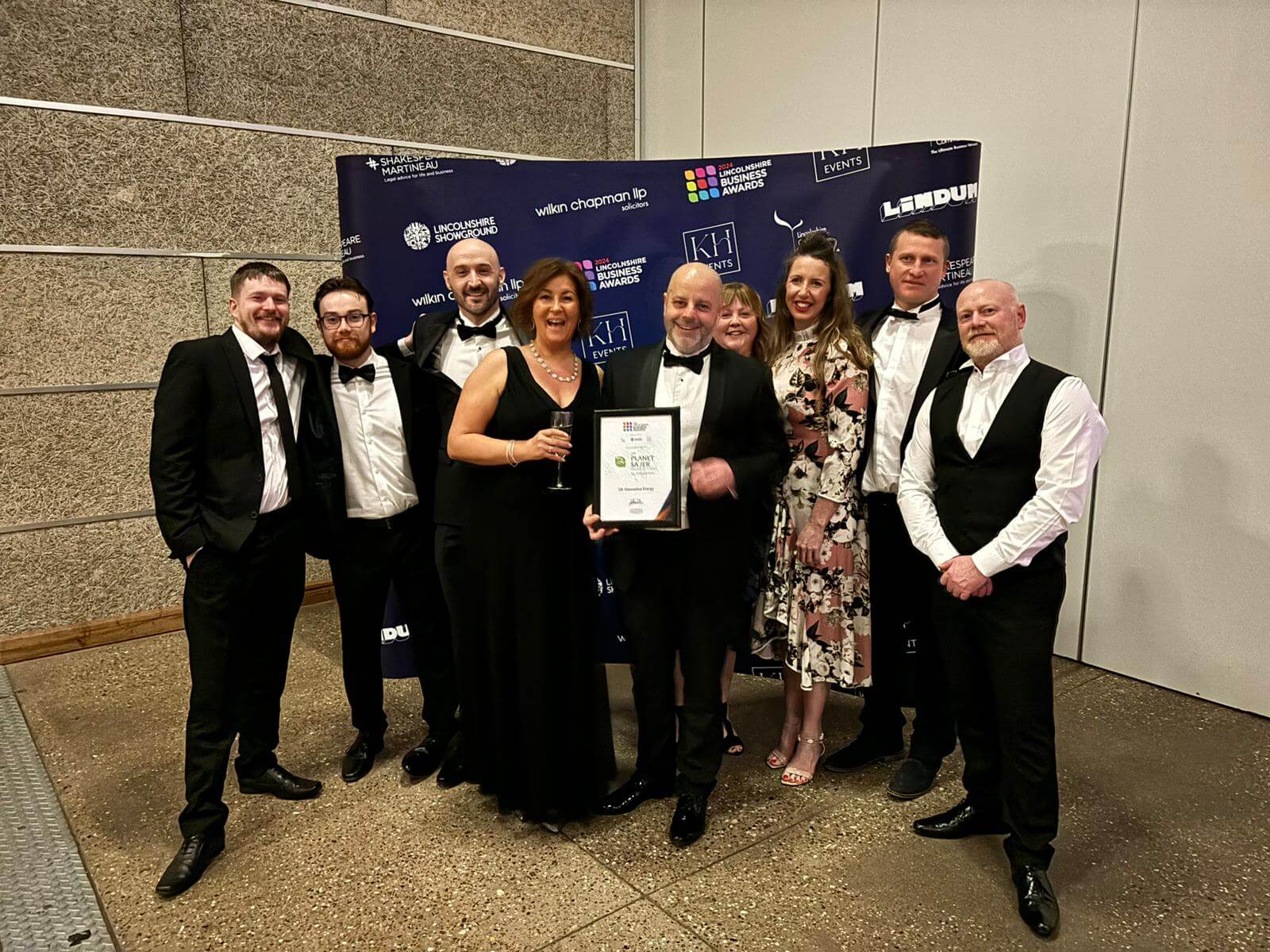
Our Specialist Solar Team










Solar PV FAQsGet the answers you need
British Weather! Solar PV cells don’t need direct sunlight to work and can even work on cloudy days. However, the stronger the sunshine, the more electricity is generated.
Installing solar panels on a residential building generally does not require planning permission if they meet certain criteria. However, if you’re installing ground-mounted solar panels or if your property is in a conservation area, Listed Building, or World Heritage Site, you may need to apply for planning permission or seek prior approval.
Dirty solar panels can reduce their efficiency and output. Most solar panel systems involve no maintenance, and the rain will usual clear any debris. If your system does require cleaning, unfortunately this isn’t a service we provide, but there are services out there using soft brushes via a water-fed pole.
Without a storage system in place, whatever power you don’t use will essentially be sent back to the grid. One of the most economically viable ways to store the power generated from the PV system is through batteries. These make round-the-clock energy usage possible and can improve self-consumption efficiency by up to 85%.
Most solar panels have a 12–25-year product warranty and come with a 25-year linear power output guarantee, which would usually see the efficiency of the panel drop to approximately 80%. Industry standard rule of thumb is that they last for 25-30 years, with the energy production declining in the later years.
The amount of electricity your solar panels will generate per year depends on factors such as system size, roof orientation, roof pitch, shading and local sunlight conditions. Using the MCS Performance Calculation, we will be able to provide an estimate of electricity generation on your quote.
Energy generated by solar PV modules is not generally used in its original form DC (Direct Current), so it needs to be converted to a more usable form of electricity called AC (Alternating Current) at the same voltage as the home or business, which is done by an inverter. Generated energy will first and foremost be utilised by the property to offset any electrical loads currently drawing power. Once the energy requirements of the property have been fulfilled, any surplus energy can be used to charge a battery storage system (if present within the system), or it will be exported back to the grid.
The term Solar PV refers to a photovoltaic system consisting of solar panels and an inverter, that can turn a home or business into a source of energy generation. It does this by converting sunlight into electricity, through systems that can be mounted on rooftops or on ground-mounted systems in gardens or open landscapes.
A solar inverter is what converts the direct current (DC) produced by your solar panels into ready-to-use alternating current (AC) to power your building. They typically have a conversion efficiency of between 93% and 96% and have a lifespan of approximately 10 years. This lar
You’ll need to use electricity from the grid when your solar panels aren’t generating enough power, like at night or during the winter.
How Solar PV Works

Solar PV Projects
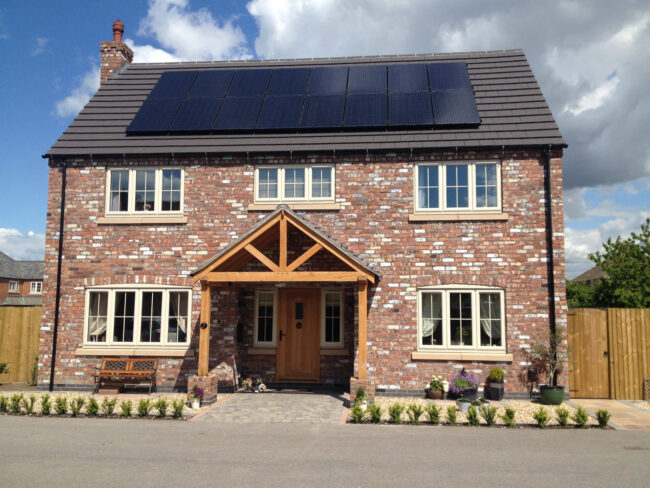
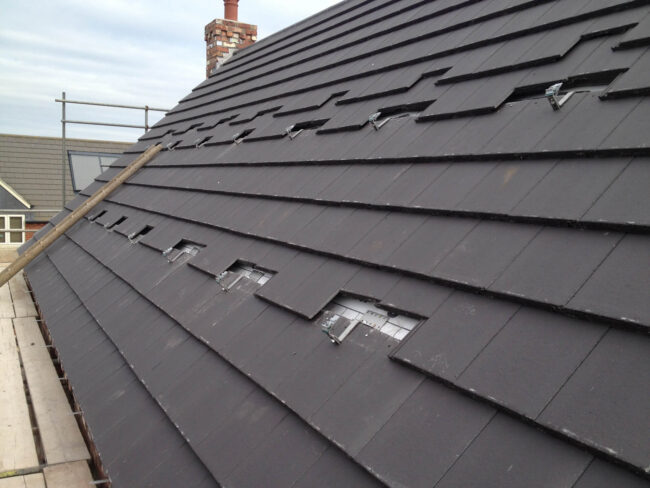
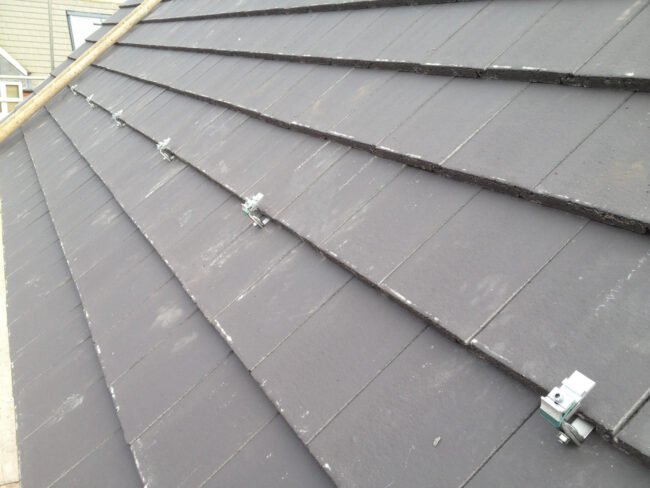
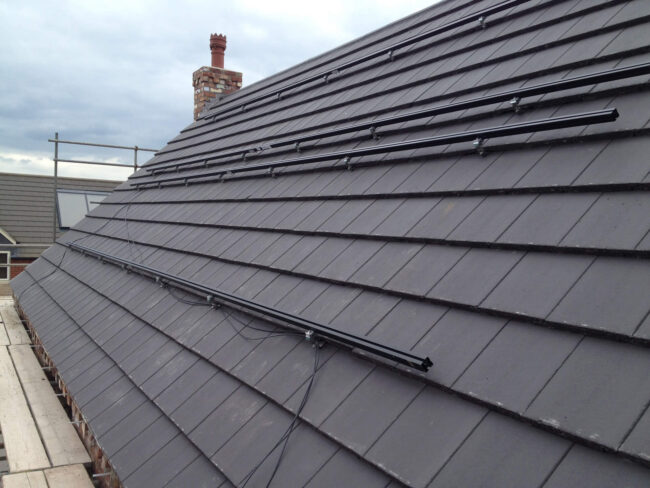
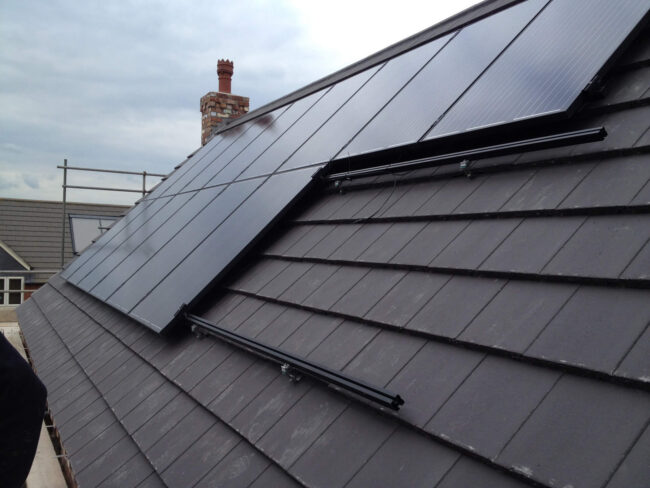
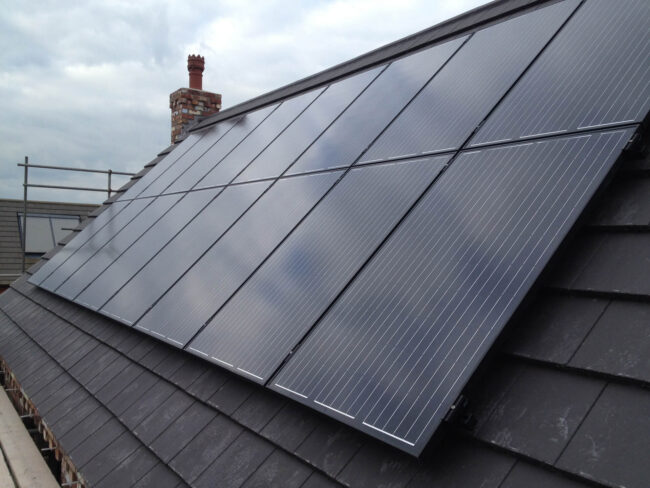

- Commercial, Educational setting in Lincoln
- 13.92 kWpJA Solar & Fronius Solar PV system

- Domestic new build in Binbrook
- 6 kW Panasonic Air Source Heat Pump

- Domestic project in Waltham
- 6 kWp JA Solar & Solis Solar PV system

- Domestic New Builds in Faldingworth
- 13 kW Stiebel Eltron Ground Source Heat Pumps

- Domestic Conversion and New Build in Minting
- 6 kW Panasonic Air Source Heat Pump

- Domestic Barn Conversion in Bingham
- 14 kW LG Air Source Heat Pump

- Domestic project situated in Wellingore
- 9 kW Panasonic Air Source Heat Pump

- Commercial, construction project in Lincoln
- 10.6 kWp Talesun & Sofar Solar PV system

- Commercial, medical project in North Hykeham
- 7.02 kWp JA Solar & SolarEdge Solar PV system
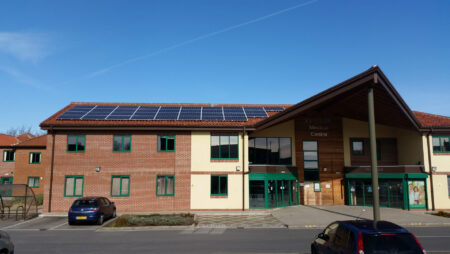
- Commercial, medical project in Boston
- 15.86 kWp SolarWorld & SMA Solar PV system
Solar PV Knowledge Base
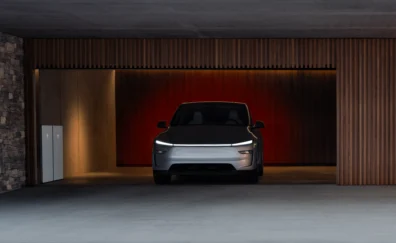

Get Up to £750 Back for Your Powerwall Installation Tesla is celebrating 1 million Powerwall units installed worldwide by off…

The Rural England Prosperity Fund (REPF) is a ‘top up’ fund allocated to Rural Districts in England as an addition to the UK…


Explore simple, efficient solutions to heat your home and business and find which is right for you.
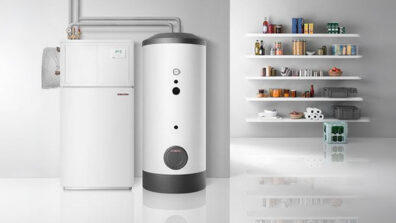
Dig into the freely available energy stored as heat in the group of your property with an Ground Source Heat Pump. Find out h…

Find a better way to heat your space and save money on your energy bills. Air Source Heat Pumps extract energy stored as heat…
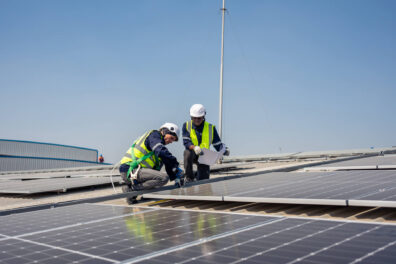
Installing solar PV on commercial roofs has many economic benefits. It reduces carbon emissions, offsets the need to purchase…

Power Purchase Agreements have become one of the most popular methods of realising the benefits of solar energy for power con…
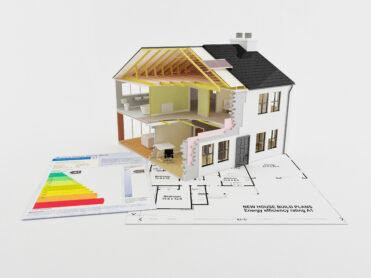
Even when you’re working within the industry, staying on top of the latest innovations and understanding exactly how alternat…
Air Source Heat Pumps (ASHPs) continue to grow in popularity as a viable, green alternative to boilers that can provide both…
When you invest in greener, alternative energy for your home or business, we know you’re going to want to make the most out o…


