













What is the best renewable energy source for your home?
As the focus on sustainability continues to grow, now more so than ever it is a high priority for many self-builders looking to develop. We know exactly how useful it is to know what types of renewable energy systems are available to homeowners within the UK, it’s a part of the job our team absolutely loves; supporting you in getting it right first time. UK Alternative Energy offers a number of renewable energy source systems, any combination of which can considerably cut your energy costs and reduce your emissions.
These options include:
Air Source Heat Pumps
The recent adjustments to Part L are viewed as a steppingstone towards the 75-80% reduction in carbon, which will be required by the Future Homes Standard in 2025. And under FHS in 2025, homes will no longer be reliant on fossil fuels for heating and hot water. So, this means gas boilers will make SAP harder to pass for all house types and that heat pump boilers will be a more favourable heating system for SAP assessment.
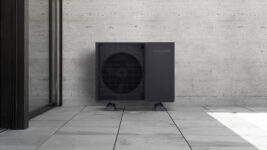
It works by absorbing heat from external air at low temperatures and converting it into a fluid, which is then passed through a compressor where the temperature is increased. This higher temperature heat is then transferred to the heating and hot water circuits of a house. UK Alternative Energy is Lincolnshire’s longest serving accredited Air Source Heat Pump company and we provide free, no obligation, quotations for self-build plans sent to us.
Ground Source Heat Pumps
An alternative to Air Source Heat Pumps, which uses the heat energy collected in the ground from solar exposure to provide your heating and hot water needs. A Ground Source Heat Pump works by moving heat collected from the ground via a circulating loop of glycol (antifreeze). This then passes through a compressor that increases it to a higher temperature in order to heat the water and hot water circuits of a property. The cooled glycol then returns to the ground loop to absorb more energy and ensure this process it repeatable.
Solar PV System
Solar panels, otherwise known as photovoltaics (PV), are a system for generating electric power via solar cells which convert energy from the sun into a flow of electrons via the photovoltaic effect. Solar PV is the most common, and well recognised form of renewable energy system. The benefits of this technology are well established and provide a virtually unending source of energy for a property. Depending on the heating source you choose for your build, it may be a requirement to have a solar PV system to achieve SAP ratings.
How can I use renewable energy to run my house?
There are numerous renewable energy systems which can be used to run a household, ranging from Solar PV systems to wind turbines and heat pumps. Having any single one of these systems installed onto a property will significantly reduce monthly outgoing expenditures. Various utilities can be powered by these systems, with the property heating coming via ground or air source heat pumps and the electrical demands being largely met by a comprehensive solar PV system.
To switch to renewables as your primary energy source, you should look to established renewable energy companies such as UK Alternative Energy to see what options your property and budget can adequately accommodate.
What is the most energy efficient way to build a house?
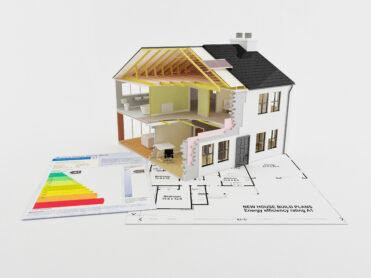
To create an energy efficient home which is incredibly cost-effective, it is important to design your build comprehensively and with great detail. Architects, designers and builders contracted should all have knowledge on what steps are required in order to achieve a net zero design; and the construction of a property ought to be done in a way which allows builders and subcontractors to design the plan in the most cost-effective way possible. Ensuring there are strong lines of communication between the builders and the designer will help to keep the build within the specific parameters required to make the house as efficient as possible.
During the design period it is important to perform detailed calculations on the differing aspects of the build. These can be what is the best way to keep the expenditure within the budget and identifying what the final aim is with regards to energy efficiency.
The most important feature in improving a home’s energy efficiency level is guaranteeing the building envelope is adequately sealed in order to enhance the energy retention of the build. Some of the methods utilised can include the reduction of thermal bridges, air leak sealing and superior insulation. Windows and doors can be significant heat vacuums which undo all of the work done through the heat retention systems used. By selecting the appropriate window and door specifications, this will help prevent them from funneling heat to the outside. Using an energy model will help you to pick what are the most suitable methods within an allocated budget.
Using rooms and windows positioned to the south will reduce costs during the colder seasons as the sun will increase the heating efficiency on the home. In the hotter seasons this can be counteracted by installing shading systems such as window overhangs. Having this will provide an incredibly efficient way of using the sun’s heat without pushing your budget to allow for more thermal mass.
Using LED efficient lighting and energy efficient appliances will help reduce the majority of the outgoing expenses leftover after the build has been completed. In scenarios where there are numerous electronic devices being used in a household on a frequent basis, even slight energy loss can accumulate between the items and result in a significant monthly energy bill. Looking at the efficiency level of items which are used on a daily basis and picking the best options can help combat excessive plug loads.
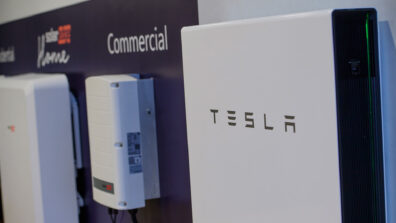
Running electricity costs will still exist to power appliances, however, installing a Solar PV system can provide electricity throughout each day, helping to combat the unceasingly rising energy costs. A substantial system can power a large portion of the energy needs of a house. These systems have been continuously lowering in price over the past decade, and whilst they can still require a significant investment, they are essential in building a house which has as low as possible energy consumption.

A self-build to be proud of
What do you want to achieve with your renewable energy?
Whilst everyone wants to save money, many others who look towards renewable energy will put a greater priority on cutting their emission and helping lower their carbon footprint. Fortunately, as both the technology and availability of renewable systems becomes more widespread it is possible to achieve both.
For any prospective self-builders, they need to ask the question of what the most appropriate technology for their own build is? These considerations can include:
- If emphasis is put on the lowering carbon dioxide emissions, then utilising a sizeable solar PV system can compensate for non-renewable energy demands.
- If there is a need for boiler or central heating system replacement, then installing a heat pump will prove to be more cost-effective.
- Restricted budgets can rule out a number of methods, however, there are numerous alternatives include solar water heating and passive solar heating.
- Living autonomously and independent of the National Grid will require a number of systems utilising hydro, solar, battery and wind technology to match the energy consumption rates of that household.
Let the experts guide you
Our Brochure provides a complete service from design to installation to make your Self Build self-sufficient. Lower your energy bills and get paid for providing electricity and heating to your home with renewable energy.
Download your copy today.